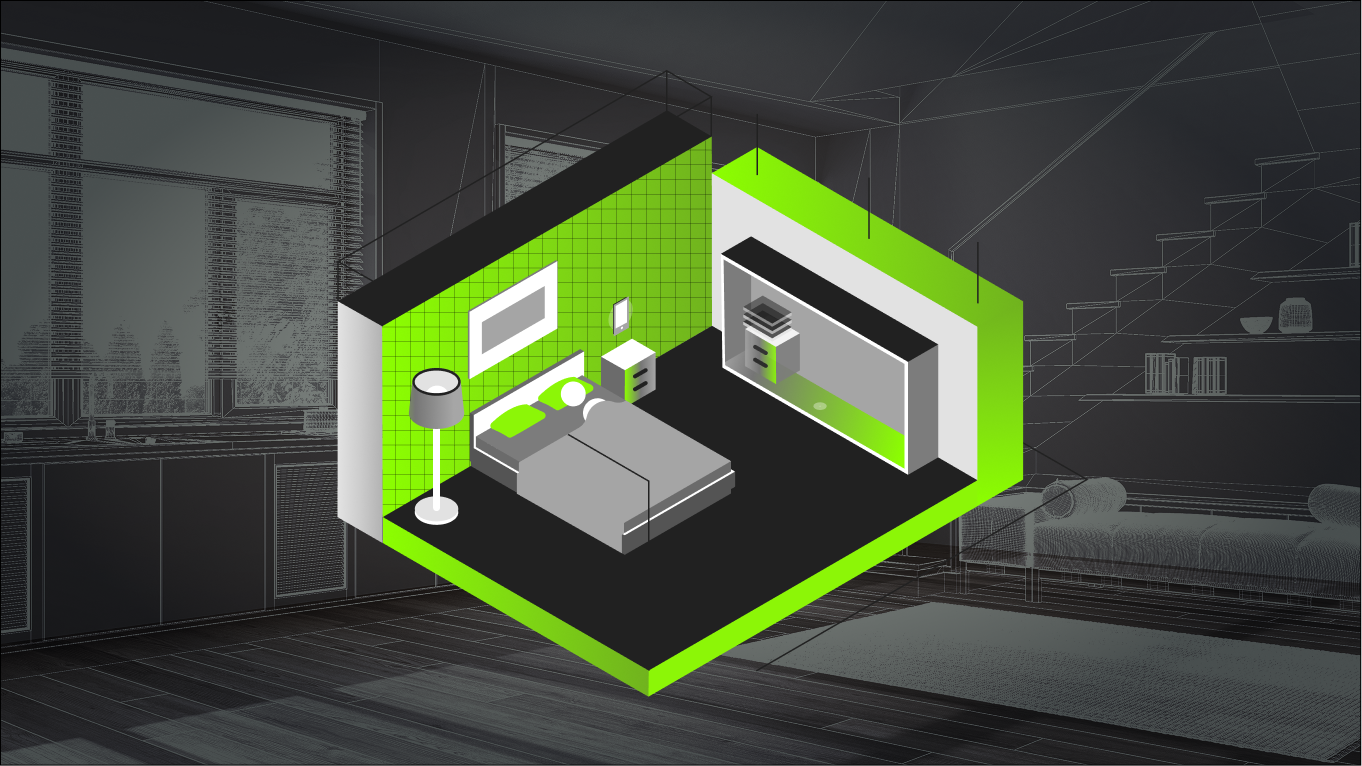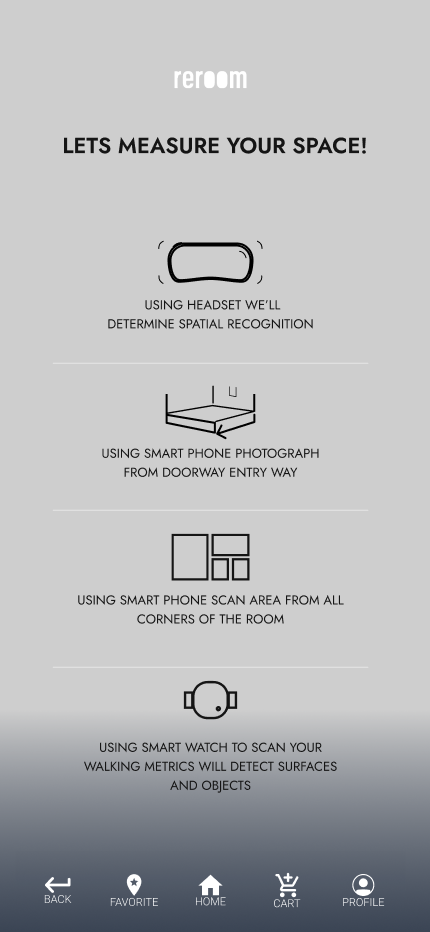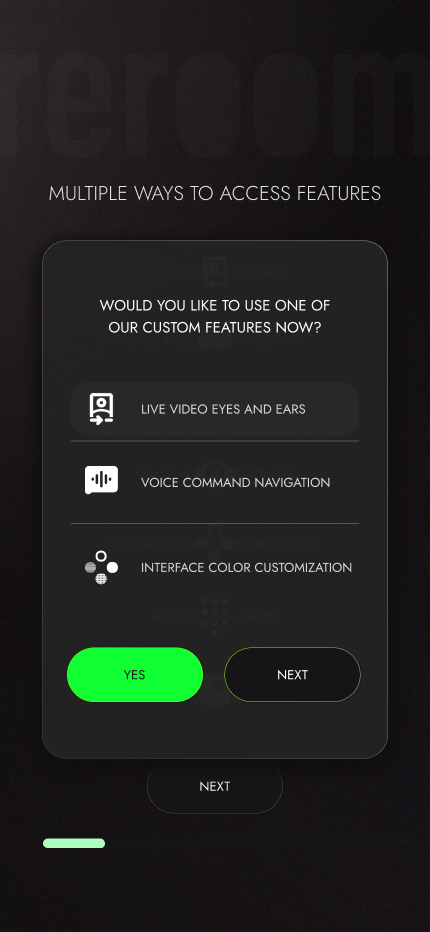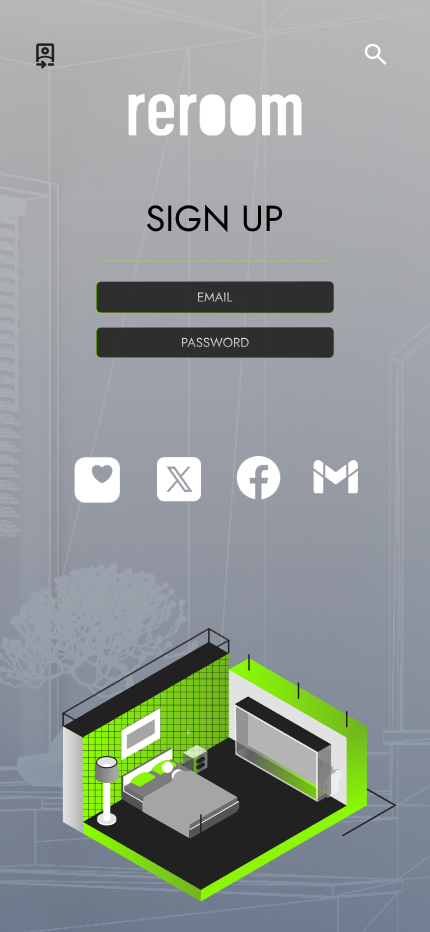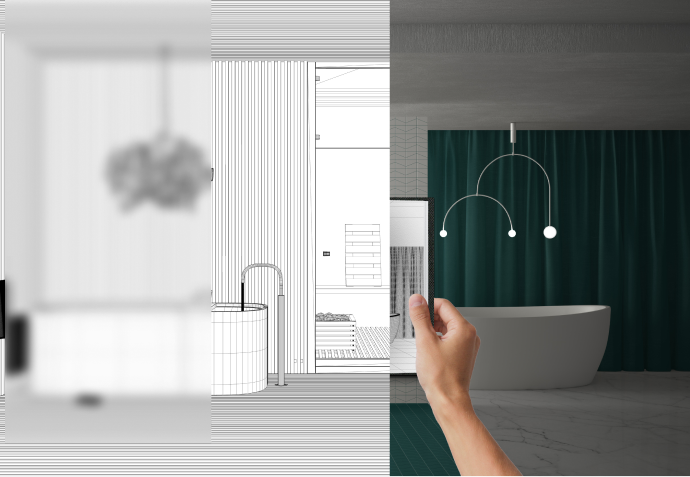
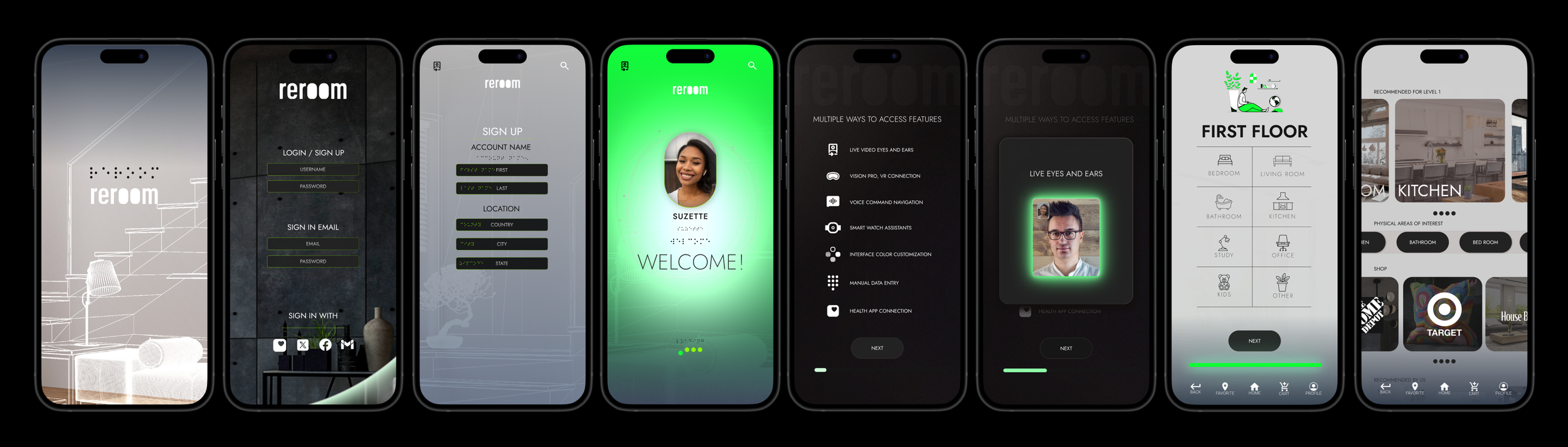
Create an inclusive interior-design concept that supports diverse access needs through personalized experiences and adaptive interface design. I explored how accessibility-forward UX and emerging tech can reduce barriers in home planning and visualization. The focus was on clarity, comfort, and confidence—so more people can design spaces that truly work for them.
The Challenge
Interior design tools often prioritize aesthetics over lived experience—overlooking accessibility, adaptability, and real human needs.
01
indentify
Supporting diverse mobility, sensory, and spatial needs.
02
Brand
Making complex considerations feel intuitive and empowering.
03
Adjust
Bridging physical environments with digital planning.
The Strategy
The platform was designed through the lens of early home-computing optimism—where technology served as an enabler, not a barrier.
01
OBVERSE
A proven methodology for transforming complex challenges into clear, confident decisions.
02
DISCOVER
Designing accessibility as a foundational system feature.
03
EMPATHIZE
Creating intuitive spatial planning tools.
04
VALIDATE
Supporting personalization based on real-life needs.
05
DEPLOY
Building a flexible framework adaptable to changing environments.
Impact & Outcome
Established a human-centered foundation for more inclusive, adaptable interior design experiences.
Integrate AI-assisted spatial simulations that help users visualize accessibility outcomes before making physical changes to their environments.
Next
STARTING A NEW PROJECT?
COLLABORATION INQUIRY
Have a vision that needs a Director? Or just a project that refuses to fit in a box? Let’s talk shop. Leave the details below and I’ll follow the signal.